
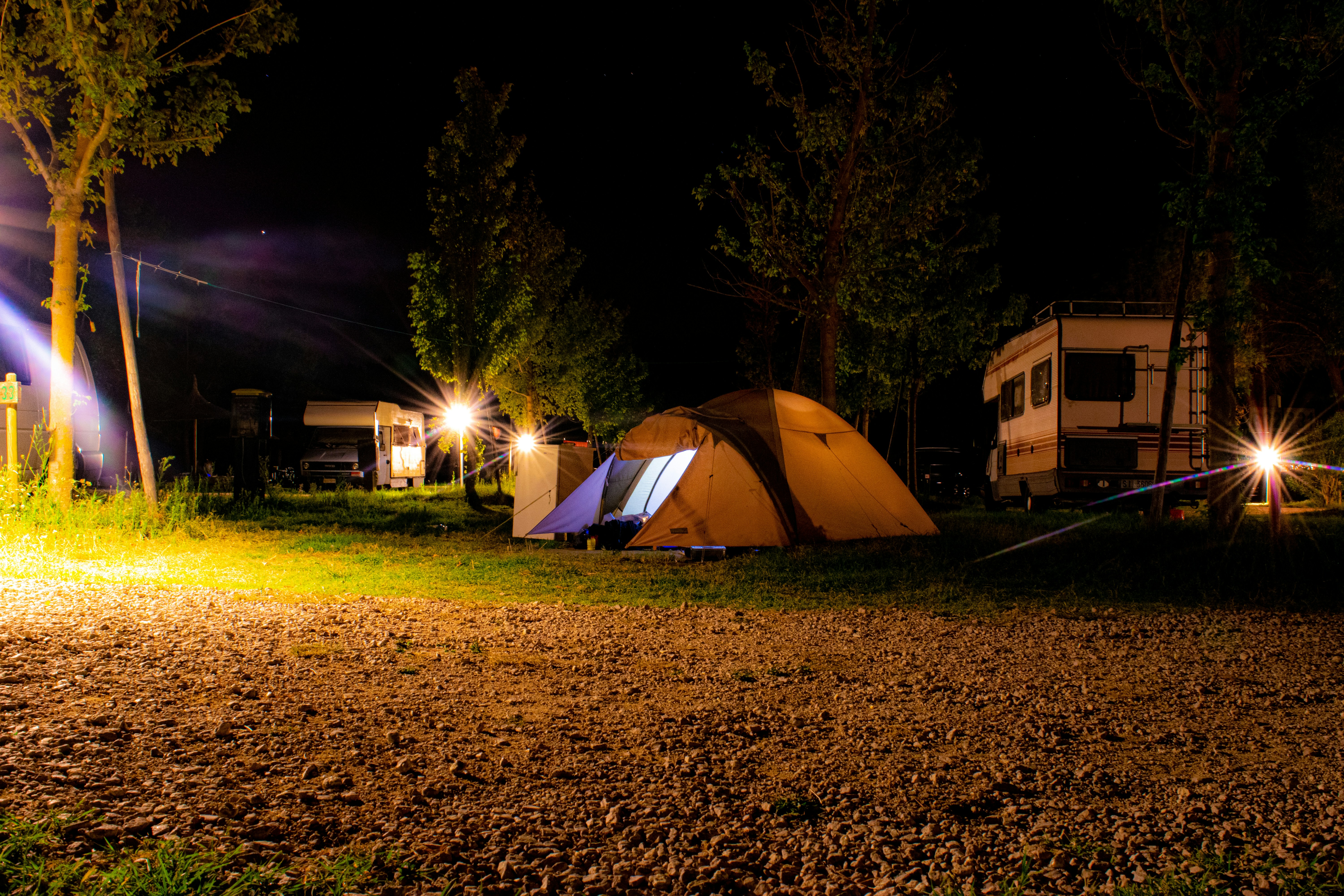
Advancements in Camping Gear and Equipment
Over the past four decades, camping gear and equipment have undergone remarkable transformations, reflecting a profound evolution aimed at enhancing the comfort and experience of outdoor enthusiasts. Modern tents are now designed using advanced materials that significantly improve their weather resistance. Innovations in tent fabric technologies have resulted in lighter, yet more durable options, offering superior protection against the elements such as rain, wind, and UV rays. This evolution is a testament to the ongoing Camping Gear Innovations that continue to enhance the camping experience.
The latest Camping Gear Innovations are making it easier than ever to enjoy the great outdoors.
These quick-setup tents demonstrate some of the best Camping Gear Innovations available today.
Many of these advancements fall under the umbrella of Camping Gear Innovations that prioritize user comfort.
In fact, these features are examples of the ongoing Camping Gear Innovations driving modern camping.
This trend aligns with the latest Camping Gear Innovations focused on enhancing outdoor experiences.
The integration of these technologies is a hallmark of Camping Gear Innovations transforming our adventures.
These cooking options represent some of the exciting Camping Gear Innovations that enhance meal preparation.
Such products are part of a broader range of Camping Gear Innovations that make camping safer and more enjoyable.
These tools are among the Camping Gear Innovations that enhance navigation in the wild.
All of these advancements are clear examples of Camping Gear Innovations improving our camping methods.
Among the most notable advances in camping gear is the introduction of quick-setup tents. These tents allow campers to go from pack to pitch in mere minutes, streamlining the camping process and effectively reducing the time and effort required to establish a campsite. These tents are often equipped with innovative pole systems and pop-up mechanisms, making them an appealing choice for both novice and seasoned campers.
The modernized first-aid kits are yet another example of Camping Gear Innovations enhancing safety.
This represents the impact of Camping Gear Innovations on health and safety in outdoor environments.
These fire safety measures are part of the Camping Gear Innovations promoting responsible outdoor practices.
Camping Gear Innovations are also fostering a more sustainable approach to camping and nature preservation.
Camping Gear Innovations have also led to improved sleeping systems and cooking equipment, ensuring that campers can enjoy the outdoors without sacrificing comfort.
The evolution of camping reflects the influence of Camping Gear Innovations on camping culture.
Such preferences are shaped by the latest Camping Gear Innovations that cater to individual tastes.
Today’s campers enjoy a blend of experiences thanks to Camping Gear Innovations redefining outdoor luxury.
Furthermore, modern tents often include enhanced insulation technologies, ensuring that campers can maintain a comfortable temperature inside regardless of external weather conditions. These insulation advancements help keep the tent warm during cold nights and cool during hot days, catering to a wider range of camping experiences. Today’s tents also feature a myriad of amenities, including built-in lighting systems that use energy-efficient LEDs and integrated storage solutions to help keep the interior organized and clutter-free.
As we see an increase in the focus on comfort and usability, modern campers benefit from improvements like vestibules and gear lofts, which provide additional space for storing equipment and personal belongings. These advancements highlight a shift in camping culture towards seeking not just an escape into nature but also a more comfortable and convenient experience. The evolution of camping gear and equipment reflects a broader understanding of the needs and preferences of today’s campers, ensuring that outdoor adventures can be enjoyed with greater ease and comfort.
The Role of Technology in Camping Comfort
The landscape of tent camping has markedly transformed due to advancements in technology, reshaping how campers experience the great outdoors. Portable cooking equipment, once bulky and cumbersome, has evolved into innovative and lightweight stoves that offer quick heating and efficient fuel usage. These modern cooking solutions allow campers to prepare meals that rival those made at home, enhancing comfort during their excursions. In addition, portable grills and cookware facilitate the preparation of gourmet meals, underscoring the marriage of culinary enjoyment with the thrill of camping.
Another significant technological advancement lies in solar-powered gadgets. Solar panels, once a luxury, are now compact, affordable, and easy to use, providing campers with a reliable source of energy. From solar-powered lights to portable chargers for electronic devices, these innovations have made it feasible for campers to maintain connectivity while enjoying nature. This not only enhances safety through improved communication but also adds to the overall comfort by allowing personal devices to remain charged for navigation and entertainment.
Moreover, navigating the great outdoors has become seamless thanks to sophisticated navigation tools. GPS devices and apps have revolutionized how campers plan their routes and find campsites. These technologies provide detailed maps, highlight hiking trails, and even pinpoint locations of nearby water sources, making it easier to explore unfamiliar territories. Various applications also offer real-time weather updates and alerts, ensuring that campers can prepare for unforeseen changes in weather, thus improving their overall camping experience.
Furthermore, the integration of apps tailored for outdoor activities supports campers in managing their schedules effectively. These apps often include features for tracking hikes, logging wildlife sightings, or sharing experiences with fellow campers, which fosters a sense of community. In essence, the infusion of technology into camping not only enhances comfort but transforms how individuals engage with nature, marking a significant advancement in the evolution of tent camping.
Health and Safety Improvements in Camping
The evolution of health and safety standards has played a critical role in enhancing the camping experience over the years. Modern camping now benefits from advancements in first-aid kits, which are more comprehensive and user-friendly than those of past decades. These kits often include a wide range of supplies, from antiseptics and bandages to specialized tools for treating common camping injuries, thus enabling campers to address emergencies more effectively.
In addition to first-aid enhancements, water purification systems have seen remarkable advancements. Traditional methods of boiling water or using iodine tablets now coexist with sophisticated filtration devices that can remove bacteria, viruses, and parasites, making water sourcing much safer and easier. With access to clean and safe drinking water, campers can prevent waterborne diseases, significantly improving overall health during outdoor adventures.
Fire safety has also evolved considerably, with modern camping gear designed to minimize fire hazards. Campers now have access to portable fire pits, flashlights with improved battery life, and lighter materials that are fire-resistant. Awareness campaigns have further educated the camping community on responsible fire usage, leading to better practices in campsite management and significantly reducing wildfire risks.
Beyond equipment, the camping community has become increasingly aware of environmental sustainability issues. Many organizations advocate for Leave No Trace principles, urging campers to minimize their impact on nature, which leads to safer and more responsible outdoor practices. This holistic approach ensures that health and safety improvements go hand in hand with environmental stewardship, promoting a sustainable future for camping.
Shifts in Camping Philosophy and Culture
The philosophy and culture surrounding camping have undergone significant transformations over the past few decades. Forty years ago, camping was predominantly a communal affair, often involving entire families embarking on weekend trips to national parks or local campsites. These trips fostered deep connections between family members and a shared sense of adventure. The focus was on spending quality time together, engaging in activities such as fishing, hiking, and story-telling around a campfire. This communal approach to camping emphasized simplicity and minimalism, where the experience itself was the luxury.
In contrast, contemporary camping trends seem to prioritize individual experiences and comfort. The rise of technology and social media has influenced a shift towards personalization in camping experiences, leading to an increase in interest in luxury camping, or “glamping.” This phenomenon allows individuals to enjoy the great outdoors without sacrificing comfort, featuring luxurious tent accommodations, gourmet meals, and high-end amenities. Glamping not only caters to the desire for unique, individualized experiences but also reflects a broader trend towards prioritizing comfort over simplicity in outdoor recreation.
This shift has resulted in a diversification of camping styles, with many people now opting for accommodations that provide the best of both worlds: the rustic charm of camping combined with the modern luxury of hotel-like facilities. As a result, camping culture has become more inclusive, appealing to various demographics who may not have been traditional campers. Today, individuals tailor their camping experiences to suit personal preferences, ranging from rugged backcountry excursions to glamorous retreats. In sum, while the essence of camping remains rooted in nature and adventure, the approaches and philosophies guiding it are now characterized by a preference for luxury and individualistic experiences, marking a notable evolution in camping culture.