
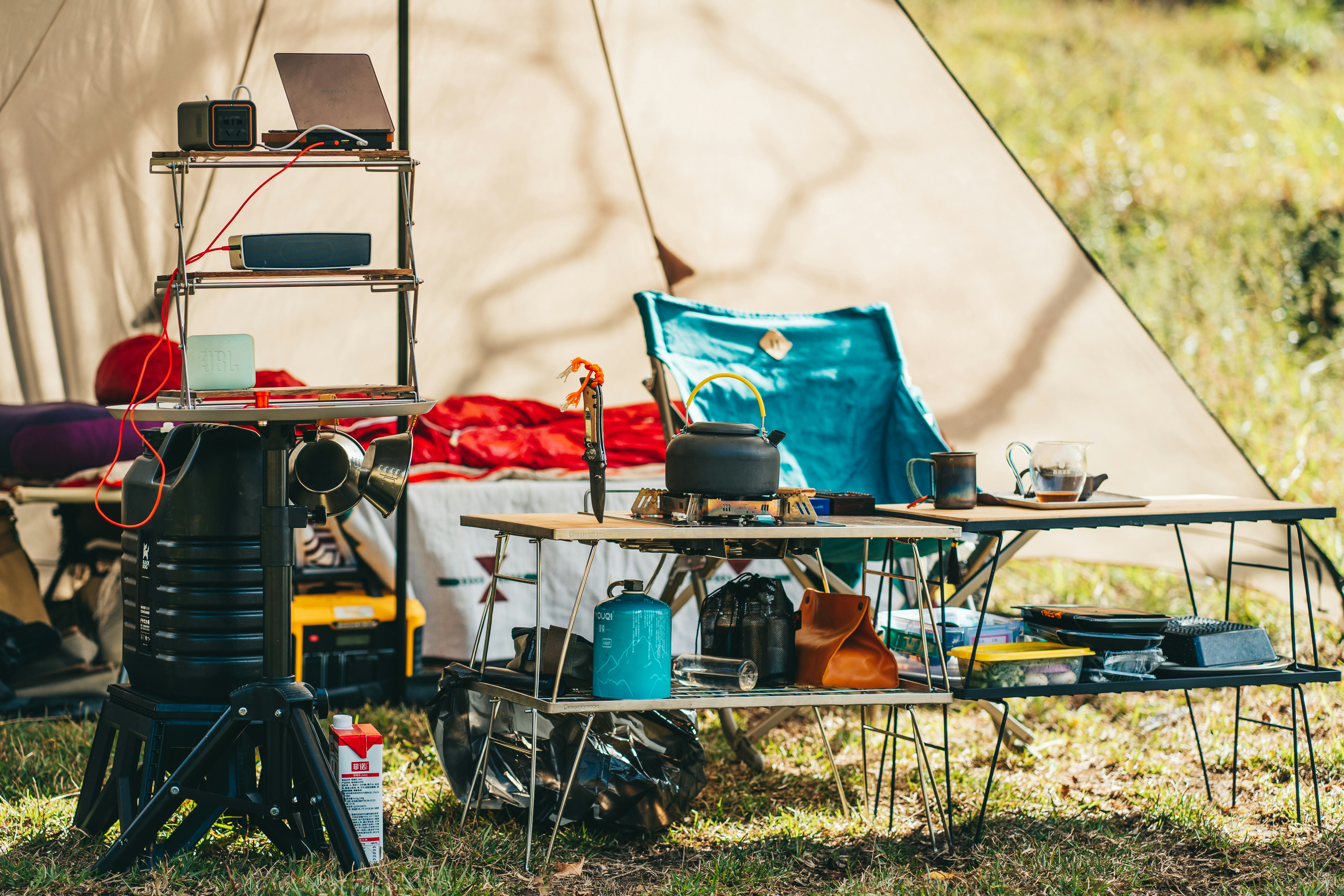
Essential Lightweight Equipment for Solo Camping
When planning a solo camping trip, the choice of lightweight camping gear is paramount to ensure a safe and enjoyable experience. Lightweight camping gear plays a crucial role in minimizing the burden of carrying excess weight, which stands as a common concern for solo adventurers. Selecting appropriate equipment, such as tents, sleeping bags, backpacks, and cooking essentials, directly affects not only comfort but also the overall enjoyment of the outdoor experience with lightweight camping gear.
The modern camping market offers a plethora of options designed specifically for solo campers. For instance, a one- to two-person tent that weighs under three pounds is suitable for most solo trips, providing a balance between comfort and portability. Brands like REI and Big Agnes have developed tents featuring innovative materials that enhance durability without sacrificing lightweight properties.
For solo campers, investing in lightweight camping gear can make a significant difference. The modern camping market offers a plethora of options designed specifically for solo campers. For instance, a one- to two-person tent that weighs under three pounds is suitable for most solo trips, providing a balance between comfort and portability. Brands like REI and Big Agnes have developed tents featuring innovative materials that enhance durability without sacrificing lightweight properties. Quality lightweight camping gear ensures that you can enjoy your adventures without the hassle of heavy loads.
Investing in quality lightweight camping gear not only enhances your comfort but also optimizes your packing strategy for solo outings.
When it comes to sleeping bags, opting for lightweight camping gear such as down-fill bags is highly recommended. Look for compact options that provide excellent insulation while being easy to stuff into a backpack. The thermoregulation properties of sleeping bags designed for varying climates should also be considered to ensure comfort during the night. Such lightweight camping gear is essential for a good night’s sleep.
Additionally, a lightweight backpack with sufficient capacity is vital for carrying your lightweight camping gear. A properly fitted backpack can significantly reduce strain while traversing different terrains. Seek models with advanced ergonomics, such as those offered by Osprey or Gregory, ensuring they come equipped with multiple compartments for organized packing. Cooking equipment is equally important for solo campers. Compact, efficient camp stoves and durable cookware can simplify meal preparation. Lightweight cooking sets that include pots, pans, and utensils can enhance the efficiency of meals while maintaining minimal weight. Brands like Jetboil and MSR provide portable cooking solutions that are particularly popular among soloists seeking lightweight camping gear.
Ultimately, choosing the right equipment, especially lightweight camping gear, involves understanding personal needs and the nature of the camping environment. This knowledge will enable solo campers to select gear that maximizes their comfort and enjoyment outdoors. Lightweight camping gear can transform your outdoor experience.
Another essential piece of gear is the sleeping bag. Look for options that are compact, such as down-fill bags, which provide excellent insulation while being easy to stuff into a backpack. The thermoregulation properties of sleeping bags, designed for varying climates, should also be considered to ensure comfort during the night.
Moreover, engaging in solo camping with the right lightweight camping gear offers a multitude of benefits that can significantly enhance personal well-being and growth. One of the foremost advantages is the opportunity for increased self-reliance. When camping alone, individuals are compelled to manage all aspects of their experience, from setting up camp to cooking meals and navigating trails with their chosen lightweight camping gear. This independence fosters confidence and problem-solving skills, as campers learn to rely on their own resourcefulness in various situations.
Furthermore, solo camping with lightweight camping gear provides an invaluable chance for introspection. Away from the distractions of daily life, individuals can reflect on their thoughts and feelings in a serene natural environment. This solitude not only encourages deeper self-awareness but also allows for meaningful connections with one’s surroundings. Many solo campers describe profound moments where they feel attuned to nature, experiencing a sense of tranquility that is often difficult to find in the chaos of everyday life.
From a mental health perspective, the benefits of solo camping with lightweight camping gear cannot be overstated. Studies have shown that spending time outdoors significantly contributes to stress reduction and promotes emotional well-being. The simplicity of life in nature, combined with the lack of social pressures, often cultivates a refreshing sense of clarity and creativity. Some campers report that their best ideas emerge while they are alone in the wilderness, free from technological distractions.
Practical advantages of carrying lightweight camping gear also play a crucial role in the appeal of solo camping. Campers enjoy complete control over their schedule, choosing when to wake, when to eat, and what activities to pursue without compromise. This freedom is especially appealing to those who seek solace or prefer to immerse themselves in the peace of nature without engaging in social interactions. Real-life stories from seasoned solo campers often emphasize the joy of these solitary adventures and the positive transformations they experienced as a result.
Furthermore, a lightweight backpack with sufficient capacity is vital. A properly fitted backpack can significantly reduce strain while traversing different terrains. Seek models with advanced ergonomics, such as those offered by Osprey or Gregory, ensuring they come equipped with multiple compartments for organized packing.Cooking equipment is equally important for solo campers. Compact, efficient camp stoves and durable cookware can simplify meal preparation. Lightweight cooking sets that include pots, pans, and utensils can enhance the efficiency of meals while maintaining minimal weight. Brands like Jetboil and MSR provide portable cooking solutions that are particularly popular among soloists.
Ultimately, choosing the right equipment involves understanding personal needs and the nature of the camping environment. This knowledge will enable solo campers to select gear that maximizes their comfort and enjoyment outdoors.
While solo camping can provide an enriching experience, it is essential to have the right lightweight camping gear to address its own set of dangers and challenges that should not be underestimated. One of the primary risks is wildlife encounters. In remote areas, campers may come face-to-face with various animals, including bears or snakes, which can pose real threats. Understanding local wildlife behavior and carrying bear sprays or proper deterrents can help mitigate these risks.
Navigating unfamiliar terrain presents another challenge for solo campers. Without a companion to assist, individuals may find themselves lost or disoriented, especially in dense woods or mountainous regions. It is crucial to equip oneself with navigational tools such as maps, compasses, or GPS devices. Additionally, knowing how to read environmental cues can significantly enhance one’s ability to navigate effectively. Ensuring you have proper lightweight camping gear for navigation is key.
Psychological challenges, including fear and loneliness, can also arise when camping solo. Being alone in the wilderness may lead to feelings of anxiety or unease, particularly during the night when sounds amplify. To combat this, maintaining a positive mindset can be beneficial; listening to music, journaling, or engaging in reflective thoughts can help manage loneliness. Having comforting lightweight camping gear, like a good book or journal, can also enhance the experience.
Benefits of Solo Camping
Ultimately, while solo camping offers unique benefits, having the right lightweight camping gear is vital to acknowledge and prepare for the associated dangers and challenges. Adequate preparations and self-awareness can enhance the solo camping experience while ensuring safety and enjoyment.
Embarking on a solo camping trip can be a rewarding experience, especially with the right lightweight camping gear. Preparation is critical when venturing out alone. Always pack a comprehensive first-aid kit that is tailored to your personal needs and previous experiences. Familiarizing yourself with first aid procedures can significantly affect your ability to manage minor injuries or medical emergencies during your trip.
Additionally, understanding how to use navigation tools is paramount. Whether utilizing a traditional compass, GPS device, or mapping application, being proficient in navigation ensures that you remain oriented and reduces the risk of getting lost in unfamiliar terrain. Always plan your route in advance and share your itinerary with someone you trust before heading out, making sure you have the necessary lightweight camping gear for navigation.
While camping alone, maintaining awareness of your surroundings is crucial for ensuring personal safety. Select safe and well-established camping locations that are preferably frequented by other campers. This not only enhances security but may also provide community and camaraderie if needed. As a solo camper, remain alert to changes in your environment, which can indicate hazards or the presence of wildlife. Having reliable lightweight camping gear can aid in these situations.
Moreover, establishing a reliable means of communication with the outside world is vital when solo camping. Carry a fully charged mobile phone and consider bringing a portable charger or solar panel to keep your devices powered. In areas with poor reception, having a whistle or other signaling device can also be beneficial for alerting others to your location if necessary. Make sure your lightweight camping gear includes these essentials for communication.
Finally, always trust your instincts. If something feels off, don’t hesitate to adjust your plans. Camping solo requires a heightened sense of awareness and sound judgment. By prioritizing preparation, adhering to safety guidelines, and being responsive to your intuition, you can substantially enhance your solo camping experience while ensuring your safety with proper lightweight camping gear.
Engaging in solo camping offers a multitude of benefits that can significantly enhance personal well-being and growth. One of the foremost advantages is the opportunity for increased self-reliance. When camping alone, individuals are compelled to manage all aspects of their experience, from setting up camp to cooking meals and navigating trails. This independence fosters confidence and problem-solving skills, as campers learn to rely on their own resourcefulness in various situations.
Furthermore, solo camping provides an invaluable chance for introspection. Away from the distractions of daily life, individuals can reflect on their thoughts and feelings in a serene natural environment. This solitude not only encourages deeper self-awareness but also allows for meaningful connections with one’s surroundings. Many solo campers describe profound moments where they feel attuned to nature, experiencing a sense of tranquility that is often difficult to find in the chaos of everyday life.
From a mental health perspective, the benefits of solo camping cannot be overstated. Studies have shown that spending time outdoors significantly contributes to stress reduction and promotes emotional well-being. The simplicity of life in nature, combined with the lack of social pressures, often cultivates a refreshing sense of clarity and creativity. Some campers report that their best ideas emerge while they are alone in the wilderness, free from technological distractions.
Practical advantages also play a crucial role in the appeal of solo camping. Campers enjoy complete control over their schedule, choosing when to wake, when to eat, and what activities to pursue without compromise. This freedom is especially appealing to those who seek solace or prefer to immerse themselves in the peace of nature without engaging in social interactions. Real-life stories from seasoned solo campers often emphasize the joy of these solitary adventures and the positive transformations they experienced as a result.
Dangers and Challenges of Solo Camping
Solo camping can provide an enriching experience; however, it comes with its own set of dangers and challenges that should not be underestimated. One of the primary risks is wildlife encounters. In remote areas, campers may come face-to-face with various animals, including bears or snakes, which can pose real threats. Understanding local wildlife behavior and carrying bear sprays or proper deterrents can help mitigate these risks.
Navigating unfamiliar terrain presents another challenge for solo campers. Without a companion to assist, individuals may find themselves lost or disoriented, especially in dense woods or mountainous regions. It is crucial to equip oneself with navigational tools such as maps, compasses, or GPS devices. Additionally, knowing how to read environmental cues can significantly enhance one’s ability to navigate effectively.
Safety measures are paramount in case of emergencies. Campers should have a well-thought-out plan that includes informing a friend or family member about their itinerary. This ensures that someone is aware of their location and expected return. Furthermore, carrying a first-aid kit, a whistle, and a multi-tool can be invaluable in emergency situations.
Psychological challenges, including fear and loneliness, can also arise when camping solo. Being alone in the wilderness may lead to feelings of anxiety or unease, particularly during the night when sounds amplify. To combat this, maintaining a positive mindset can be beneficial; listening to music, journaling, or engaging in reflective thoughts can help manage loneliness.
Ultimately, while solo camping offers unique benefits, it is vital to acknowledge and prepare for the associated dangers and challenges. Adequate preparations and self-awareness can enhance the solo camping experience while ensuring safety and enjoyment.
Safety Tips for Solo Campers
Embarking on a solo camping trip can be a rewarding experience, but it is essential to prioritize safety. Preparation is critical when venturing out alone. Always pack a comprehensive first-aid kit that is tailored to your personal needs and previous experiences. Familiarizing yourself with first aid procedures can significantly affect your ability to manage minor injuries or medical emergencies during your trip.
Additionally, understanding how to use navigation tools is paramount. Whether utilizing a traditional compass, GPS device, or mapping application, being proficient in navigation ensures that you remain oriented and reduces the risk of getting lost in unfamiliar terrain. Always plan your route in advance and share your itinerary with someone you trust before heading out.
While camping alone, maintaining awareness of your surroundings is crucial for ensuring personal safety. Select safe and well-established camping locations that are preferably frequented by other campers. This not only enhances security but may also provide community and camaraderie if needed. As a solo camper, remain alert to changes in your environment, which can indicate hazards or the presence of wildlife.
Moreover, establishing a reliable means of communication with the outside world is vital. Carry a fully charged mobile phone and consider bringing a portable charger or solar panel to keep your devices powered. In areas with poor reception, having a whistle or other signaling device can also be beneficial for alerting others to your location if necessary.
Finally, always trust your instincts. If something feels off, don’t hesitate to adjust your plans. Camping solo requires a heightened sense of awareness and sound judgment. By prioritizing preparation, adhering to safety guidelines, and being responsive to your intuition, you can substantially enhance your solo camping experience while ensuring your safety.